Only Finland more expensive
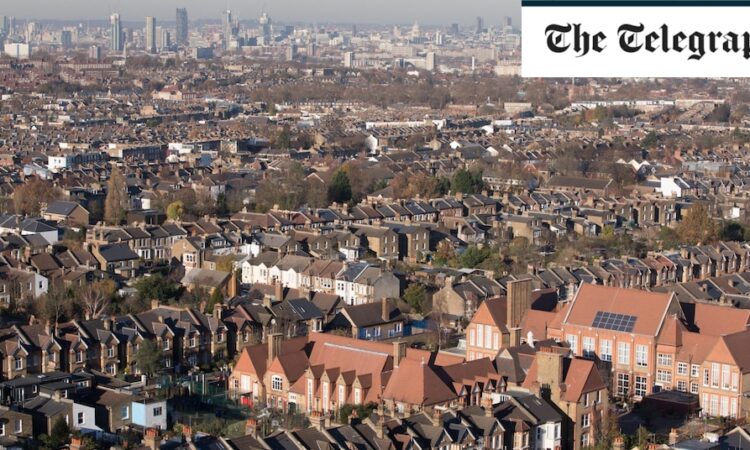
They concluded that housing represents a greater share of consumption in the UK than in any other advanced economy, other than Finland.
Adam Corlett, of the Resolution Foundation, said: “Britain is one of many countries apparently in the midst of a housing crisis, and it can be difficult to separate rhetoric from reality. But by looking at housing costs, floorspace and wider issues of quality, we find that the UK’s expensive, cramped and ageing housing stock offers the worst value for money of any advanced economy.
“Britain’s housing crisis is decades in the making, with successive governments failing to build enough new homes and modernise our existing stock. That now has to change.”
Last month, the Competition Markets Authority (CMA) released a report which called for “fundamental interventions that go beyond the way in which the housing market itself works” to put an end to the current crisis.
The CMA said that too few homes were being built, particularly in areas where they are most needed, and singled out the planning system as one of the key blockers to housebuilding.
Gove’s target advisory
Sir Keir Starmer pledged at the 2023 Labour Conference that he would build 300,000 homes per year and “bulldoze” the current planning system.
Michael Gove, the Housing Secretary, watered down housing markets last year by making the Government’s own 300,000 homes per year target advisory rather than compulsory.
Just under 235,000 new houses were built last year, and the Home Builders Federation has warned new starts could fall to as low as 120,000 per year.
A Department for Levelling Up, Housing and Communities spokesman said: “Housebuilding is a Government priority and despite global economic challenges we remain on track to meet the manifesto commitment of delivering one million homes this Parliament, and have introduced reforms to improve the planning system.
“At the same time as increasing the quantity of homes we are driving up quality, with the number of non-decent homes down by two million since 2010.”