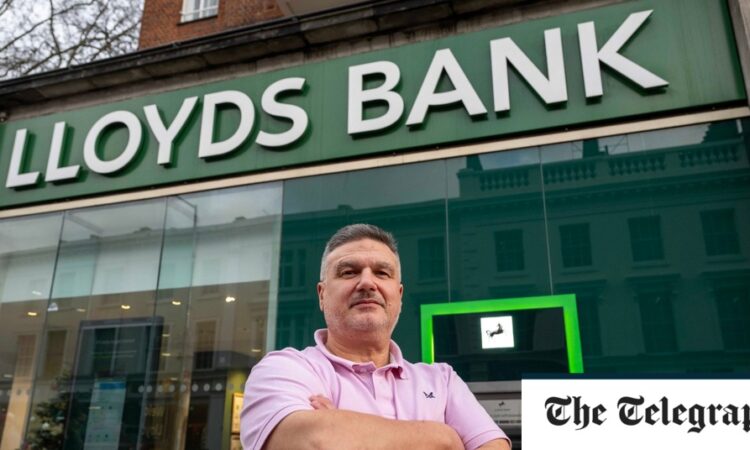
He is convinced that the bank, which he first joined in 1993, had “wanted to make an example of me”. All the father of two wanted was his old job back. That and an apology. “It was my perfect job,” he said of his £55,000 a year role overseeing part of Lloyds’ payments systems.
But after he won his case in the summer, Lloyds simply said that it would appeal the decision, issuing a statement that declared: “We have a zero-tolerance policy on any racial discrimination or use of racist language.”
Mr Borg-Neal was devastated. “They sacked me and called me a racist and they are not withdrawing that even though everything says I am not and have never been. I find that really offensive. Couldn’t Lloyds have been more mature and admit their mistake and apologise publicly? They made a massive error and they won’t say sorry.”
In awarding Mr Borg-Neal substantial damages, the tribunal accepted that “it has hurt the claimant a great deal that he has been branded as a racist”. It ordered that Lloyds circulate the judgment to the bank’s British board and “that they be asked to read and digest it”. It warned Lloyds “not to make comments to the press which give a wholly misleading impression”.
It acknowledged too the “shock, hurt, humiliation and damage” he suffered over the “loss of a job he loved” and recognised the toll that the allegations had taken.
“The damage this has done to my health is incredible,” said Mr Borg-Neal. He now suffers back pain brought on by the stress and takes two pills a day for the anxiety, including a sleeping pill to get him through the night. The verbal tic – brought on by stress – is evident as he talks about the years trying to hide his dyslexia and how he had “always tried to fight it”.
He has had more than 50 messages of support from former colleagues. Tears form as he reads out one message from a senior colleague from an ethnic-minority background following the court victory. “Now the lid has been lifted I wanted to say how proud I am to count you as a friend and a colleague. Stand up, stand tall and please reach out if I can help in any way,” the colleague wrote.
Mr Borg-Neal was only able to take the case on after signing up to the Free Speech Union (FSU), a campaign group that – to use common parlance – rails against modern day “wokery”. The FSU offered to underwrite Mr Borg-Neal’s legal costs if he lost the case. As it is, out of his £490,000 award, he will have to pay £150,000 to a legal team at Doyle Clayton law firm that he praises for its brilliance in restoring his reputation.
Karolien Celie, the FSU’s legal officer, said: “Mr Borg-Neal was treated abysmally by his employer and we are delighted that justice has been served in his case. Mr Borg-Neal’s case is a timely reminder for employers not to be blinded by dogma but to treat each employee fairly in accordance with the law and in a spirit of tolerance, open-mindedness and good faith.”